Dr. Amir Hampel
韩泊明

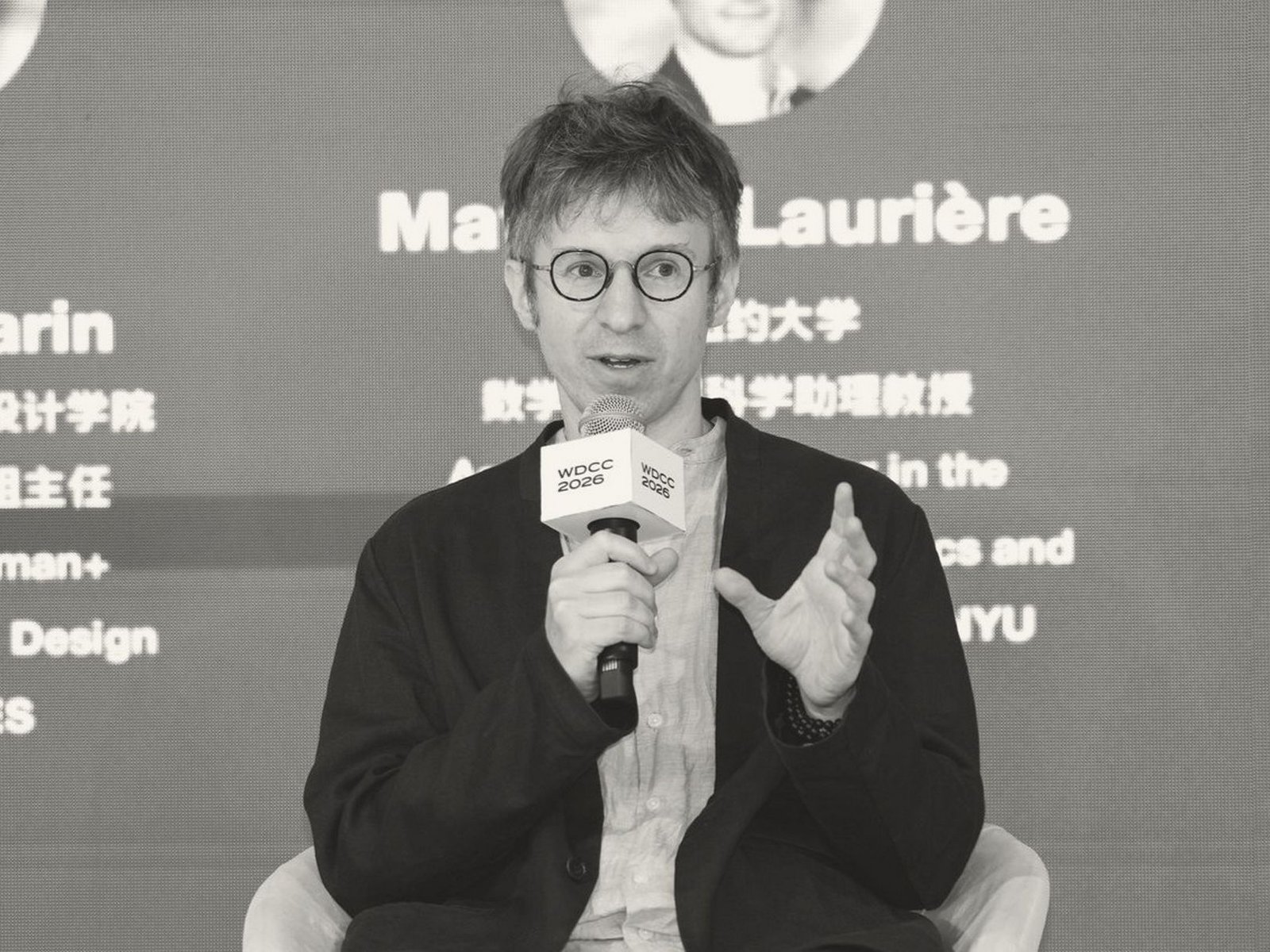
Amir Hampel is psychological, medical, and cultural anthropologist.
He is a professor at New York University Shanghai.
He completed doctoral studies at the University of Chicago.
→ contact
mental health • Chinese medicine • medical AI

cultures shape therapies

therapies shape cultures
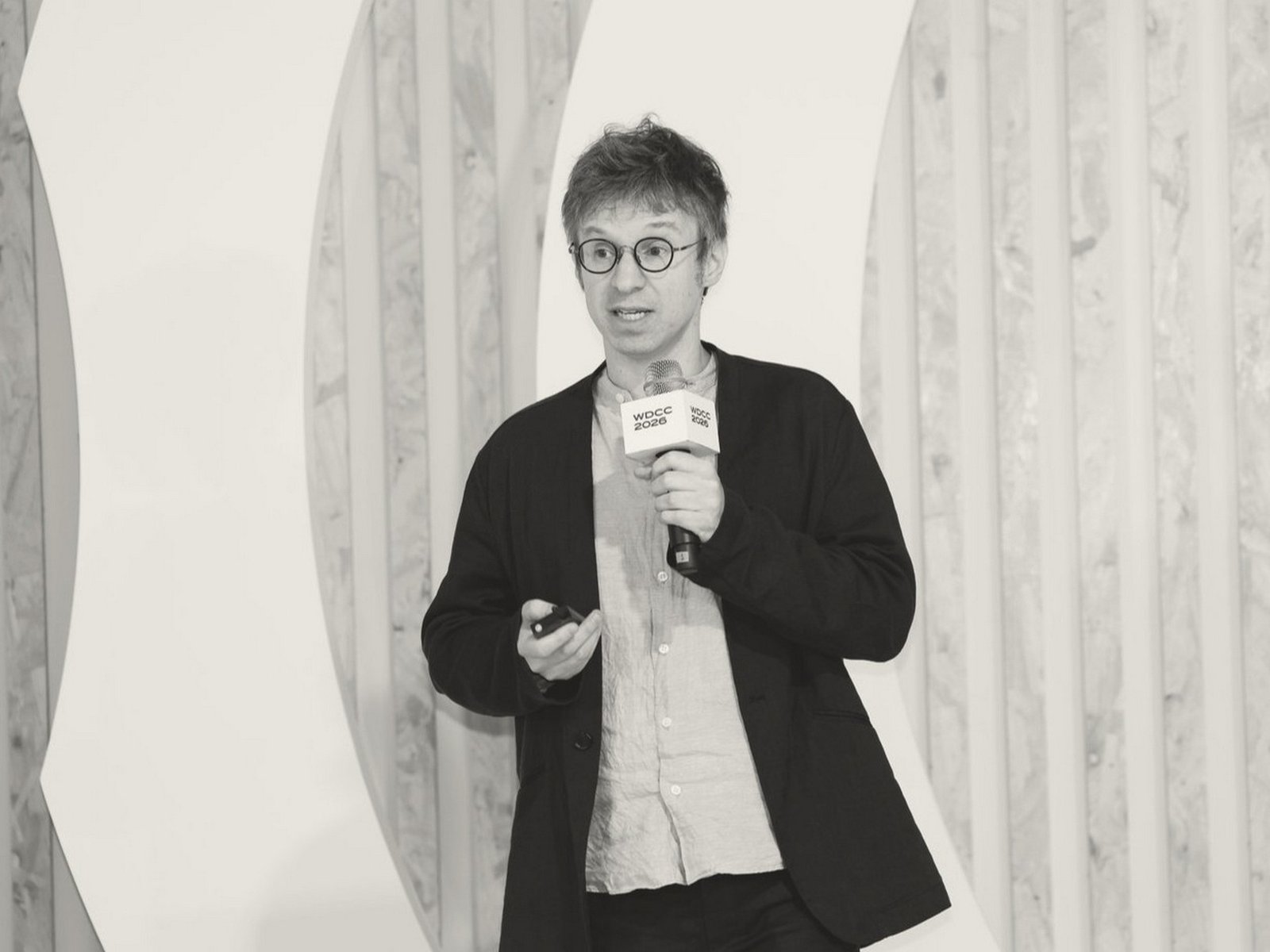
I am anthropologist investigating mental health, health behaviors, and popular culture in China. As a teacher, lecturer, and award-winning TEDx speaker, I specialize in explaining complex social issues in simple terms.
I completed doctoral studies at the University of Chicago’s Department of Comparative Human Development, a world-leading center for the study of human behavior across social and cultural contexts. I have been studying and working in greater China since 2003. I have over fifteen years of experience conducting qualitative research using ethnographic and digital methods.
My work has an impact on conversations about youth mental health, medical AI systems, and the future of Chinese medicine. In addition to engaging with academic networks,
–
I am in dialogue with psychotherapists, medical entrepreneurs, and Chinese medicine clinicians. I have given extensive academic and public lectures, consulted for media platforms, and collaborated with youth organizations and market research firms in China. I am a professor at New York University Shanghai, where I teach about qualitative methods, Chinese youth culture, and about the anthropology of China, mental health, and medicine. I have taught courses for the University of Chicago, Southern University of Science and Technology, and New York University, and I am advising graduate students at Johns Hopkins University, Oxford, and the University of Chicago.
☙
EXPERTISE
mental health: youth, social anxiety, and social media; autism and ADHD; indigenous psychotherapy; self-help psychology; wellness and mind-body medicine
chinese medicine: traditional medicine in popular culture; scientific research and embodied knowledge; uses for insomnia, fertility, obesity, and mental health
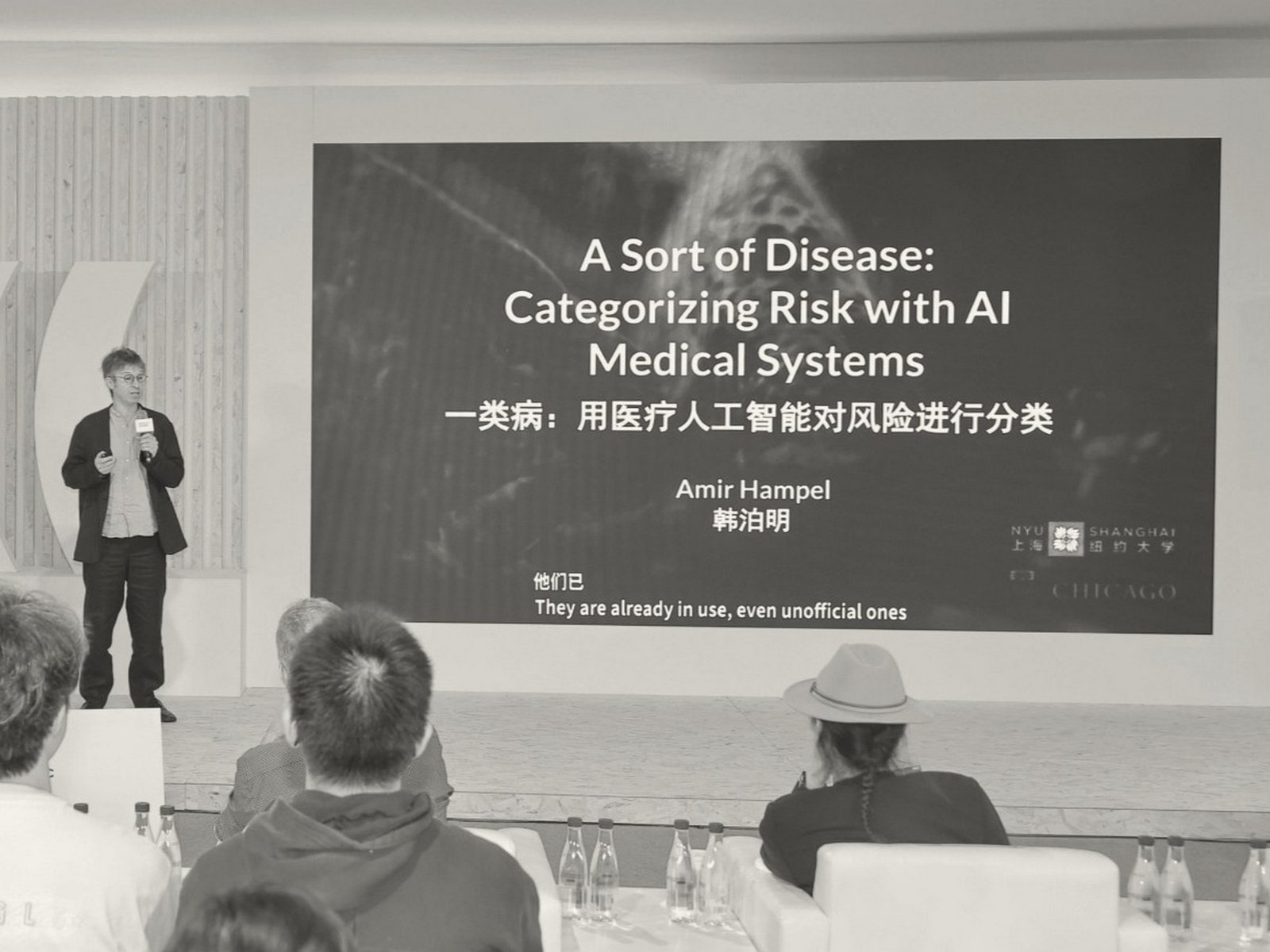
medical AI: impact on traditional medicine; mental health care applications; model development and clinical research; ethical and social dimensions
METHODS
qualitative field research
interviews and focus groups
analysis of popular texts and social media
ABOUT
over twenty years of experience in greater China
PhD from world leading department for studies of culture and psychology
award-winning publications in top journals
experience in public speaking, media engagement, and research collaboration with companies and social organizations
active networks in the fields of academia, media, psychotherapy, wellness, and Chinese medicine, both in China and internationally
FOCUS
My research investigates popular culture, mental health, and Chinese medicine in China, and has focused on:
→ youth culture, self-help groups, and mental health online
→ emerging applications for Chinese medicine
→ the impact of AI and robotics on traditional medicine
These projects are driven by a few central questions:
→ How do social and cultural changes shape everyday anxieties about social judgment?
→ How does Chinese medicine fit into contemporary scientific, cultural, and healthcare landscapes?
→ How do digital platforms and AI tools change the way that people encounter and perceive traditional medicine?




insight
–
mental health
extensive field research on personal growth groups popular with Chinese youth ▪ ongoing research on mental health discourses in popular texts and social media sites in China and the US ▪ collaborate with psychotherapists and college counselors in China and the US to investigate the cultural contexts of youth mental health ▪ consulted about youth trends and mental health in China by media outlets including the New York Times, ABC Australia, and Channel News Asia
chinese medicine
investigating uses of Chinese medicine including for common issues including dementia, fertility problems, obesity, and depression ▪ working with a leading psychiatric hospital to analyze the role of Chinese medicine in therapy for sleep disorders ▪ systematically analyzing social media data to understand public attitudes toward Chinese medicine ▪ conducting ethnographic research on Chinese medicine for autism and ADHD, with funding from NYU Shanghai and the University of Chicago
medical AI
studying the impact of AI tools on traditional medicine, including in drug development, big data analytics, and clinical decision support ▪ writing about the philosophical and social impacts of AI-assisted medical research and treatment ▪ examining how consumers use AI tools for self-diagnosis, especially for mental health issues and Chinese medicine therapy
Dr. Amir Hampel
韩泊明
Amir Hampel is psychological, medical, and cultural anthropologist.
He is a professor at New York University Shanghai.
He completed doctoral studies at the University of Chicago.
→ contact
mental health • Chinese medicine • medical AI
cultures shape therapies
therapies shape cultures
I am anthropologist investigating mental health, health behaviors, and popular culture in China. As a teacher, lecturer, and award-winning TEDx speaker, I specialize in explaining complex social issues in simple terms.
I completed doctoral studies at the University of Chicago’s Department of Comparative Human Development, a world-leading center for the study of human behavior across social and cultural contexts. I have been studying and working in greater China since 2003. I have over fifteen years of experience conducting qualitative research using ethnographic and digital methods.
My work has an impact on conversations about youth mental health, medical AI systems, and the future of Chinese medicine. In addition to engaging with academic networks,
–
I am in dialogue with psychotherapists, medical entrepreneurs, and Chinese medicine clinicians. I have given extensive academic and public lectures, consulted for media platforms, and collaborated with youth organizations and market research firms in China. I am a professor at New York University Shanghai, where I teach about qualitative methods, Chinese youth culture, and about the anthropology of China, mental health, and medicine. I have taught courses for the University of Chicago, Southern University of Science and Technology, and New York University, and I am advising graduate students at Johns Hopkins University, Oxford, and the University of Chicago.
☙
EXPERTISE
mental health: youth, social anxiety, and social media; autism and ADHD; indigenous psychotherapy; self-help psychology; wellness and mind-body medicine
chinese medicine: traditional medicine in popular culture; scientific research and embodied knowledge; uses for insomnia, fertility, obesity, and mental health
medical AI: impact on traditional medicine; mental health care applications; model development and clinical research; ethical and social dimensions
METHODS
qualitative field research
interviews and focus groups
analysis of popular texts and social media
ABOUT
over twenty years of experience in greater China
PhD from world leading department for studies of culture and psychology
award-winning publications in top journals
experience in public speaking, media engagement, and research collaboration with companies and social organizations
active networks in the fields of academia, media, psychotherapy, wellness, and Chinese medicine, both in China and internationally
FOCUS
My research investigates popular culture, mental health, and Chinese medicine in China, and has focused on:
→ youth culture, self-help groups, and mental health online
→ emerging applications for Chinese medicine
→ the impact of AI and robotics on traditional medicine
These projects are driven by a few central questions:
→ How do social and cultural changes shape everyday anxieties about social judgment?
→ How does Chinese medicine fit into contemporary scientific, cultural, and healthcare landscapes?
→ How do digital platforms and AI tools change the way that people encounter and perceive traditional medicine?
insight
–
mental health
extensive field research on personal growth groups popular with Chinese youth ▪ ongoing research on mental health discourses in popular texts and social media sites in China and the US ▪ collaborate with psychotherapists and college counselors in China and the US to investigate the cultural contexts of youth mental health ▪ consulted about youth trends and mental health in China by media outlets including the New York Times, ABC Australia, and Channel News Asia
chinese medicine
investigating uses of Chinese medicine including for common issues including dementia, fertility problems, obesity, and depression ▪ working with a leading psychiatric hospital to analyze the role of Chinese medicine in therapy for sleep disorders ▪ systematically analyzing social media data to understand public attitudes toward Chinese medicine ▪ conducting ethnographic research on Chinese medicine for autism and ADHD, with funding from NYU Shanghai and the University of Chicago
medical AI
studying the impact of AI tools on traditional medicine, including in drug development, big data analytics, and clinical decision support ▪ writing about the philosophical and social impacts of AI-assisted medical research and treatment ▪ examining how consumers use AI tools for self-diagnosis, especially for mental health issues and Chinese medicine therapy